
Small Business POS Systems: The Definitive Guide to Choosing Yours
Navigating the landscape of small business credit card machines and POS terminals can be daunting, yet vital for ensuring seamless transactions. This comprehensive guide delves into the essential aspects of selecting the right devices and merchant accounts tailored for your business needs. Readers will gain insights into critical features, compatibility issues, transaction fees, and user recommendations. With an increasing demand for efficient payment processing, understanding these components is increasingly important for small business owners. This article will cover key features, compatibility, transaction fees, user recommendations, and provide a thorough overview of the best devices available on the market.
Integrating modern POS systems is essential for small businesses to overcome operational bottlenecks and improve sales management efficiency.
Integrated Mobile POS Systems for Small Business Efficiency Indonesian micro, small, and medium enterprises (UMKMs) face significant operational bottlenecks due to their reliance on manual and fragmented sales and inventory management systems. To address these challenges, this research designs, develops, and evaluates PasPOS, an integrated mobile Point of Sales (POS) and E-Commerce system tailored for Indonesian micro-retailers Development of an AI-Assisted Mobile Point of Sales and E-Commerce System with Real-Time Inventory Synchronization, 2026
Key Features
When choosing a credit card machine or POS terminal, several key features must be considered. These devices facilitate transactions in a variety of ways, from contactless payments to loyalty program integration. For small businesses, user-friendly and feature-rich options can enhance customer experiences while streamlining operations. Here are a few essential features to evaluate:
- Types of Machines Available: From traditional POS systems to mobile card readers, options vary widely to fit different business models.
- Functionality and Usage: Devices should support various payment methods, including chip, swipe, and contactless, ensuring compatibility with customer preferences.
- User-Friendliness and Additional Features: A device that is easy to operate can significantly reduce training time for staff and improve transaction speed.
Evaluating these features ensures that the selected system supports operational efficiency while meeting customer expectations.
Essential Features of Modern POS Terminals
Compatibility is crucial when selecting credit card machines and POS terminals, as it directly influences the transaction and customer interaction experience. Businesses must consider the following elements for optimal functionality:
- Types of Payment Methods Supported: Verify that the machine accepts major credit and debit cards, mobile wallets, and alternative payment options to cater to a wider customer base.
- Integration with Existing Business Management Software: Ensure the POS can sync with inventory management and accounting systems, facilitating smoother operations.
A comprehensive understanding of compatibility helps in choosing devices that not only fit current needs but can also adapt to future requirements.
Transaction Fees
Transaction fees can significantly impact a small business’s bottom line. It’s vital to understand the various types of fees associated with merchant accounts and payment processing, including:
- Types of Fees: These may include transaction fees, setup fees, monthly service charges, and chargeback fees. Each fee can vary based on the merchant account provider.
- Importance of Transparent Pricing: Choose a merchant service provider known for clear pricing structures to avoid any hidden fees that could disrupt financial planning.
Understanding these fees enables business owners to make better financial decisions regarding payment processing.
As payment ecosystems grow more complex, business owners must navigate intricate fee structures to ensure accurate financial reconciliation.
Understanding Payment Processing Fees and Reconciliation Payment ecosystems are based on a system of multilayer data communications, which binds together issuers, acquirers, payment processors, card schemes, and settlement banks. The volume of transactions processed worldwide is growing, and financial institutions are becoming more complex to reconcile due to variations in interchange, scheme fees, acquirer markup, cross-border management, late presentment, reversals, and partial captures. Settlement, Fees, and Interchange: Data Models for Accurate Reconciliation and Exception Handling, 2021
User Recommendations
Selecting a reliable merchant account provider is critical for small businesses. Insights gathered from user experiences can guide this decision. Here’s what to consider:
- Selecting Providers Based on Reputation and Customer Support: Look for providers with strong testimonials and user satisfaction ratings, ensuring reliable support.
- Reading User Reviews and Testimonials: Evaluating experiences shared by fellow business owners can uncover hidden benefits or drawbacks of specific systems.
These recommendations aid in selecting a provider that aligns with your business needs and expectations.
What Are the Best Small Business POS Devices and Their Key Features?
Several POS devices stand out in terms of functionality and user satisfaction for small businesses. They enhance transaction efficiency and customer engagement. Here are some of the best options available on the market:
- Square POS: Renowned for its versatility, Square offers a free app and an extensive range of hardware options, making it ideal for businesses of all sizes.
- Clover POS: With customizable hardware and a suite of business management tools, Clover caters to diverse business needs, from retail to restaurants.
- Shopify POS: Perfect for e-commerce businesses transitioning to in-person sales, Shopify integrates seamlessly with its online platform to unify inventory management.
Evaluating these devices helps business owners pinpoint the right solutions for their operational needs.
How Do Wireless Card Readers Enhance Merchant Payment Processing?
Wireless card readers provide significant advantages for payment processing, especially for mobile businesses. Here are the key benefits:
- Mobility Benefits for Service-Oriented Businesses: Wireless capabilities allow transactions to occur anywhere, enabling service providers to accept payments directly at the point of sale.
- Reduced Fraud Risk and Customer Convenience: The secure nature of EMV chip technology in these devices minimizes risks associated with fraud, enhancing customer trust and satisfaction.
These attributes significantly improve customer experiences while optimizing payment processing while ensuring security.
What Are the Advantages of Smart POS Systems for Small Businesses?
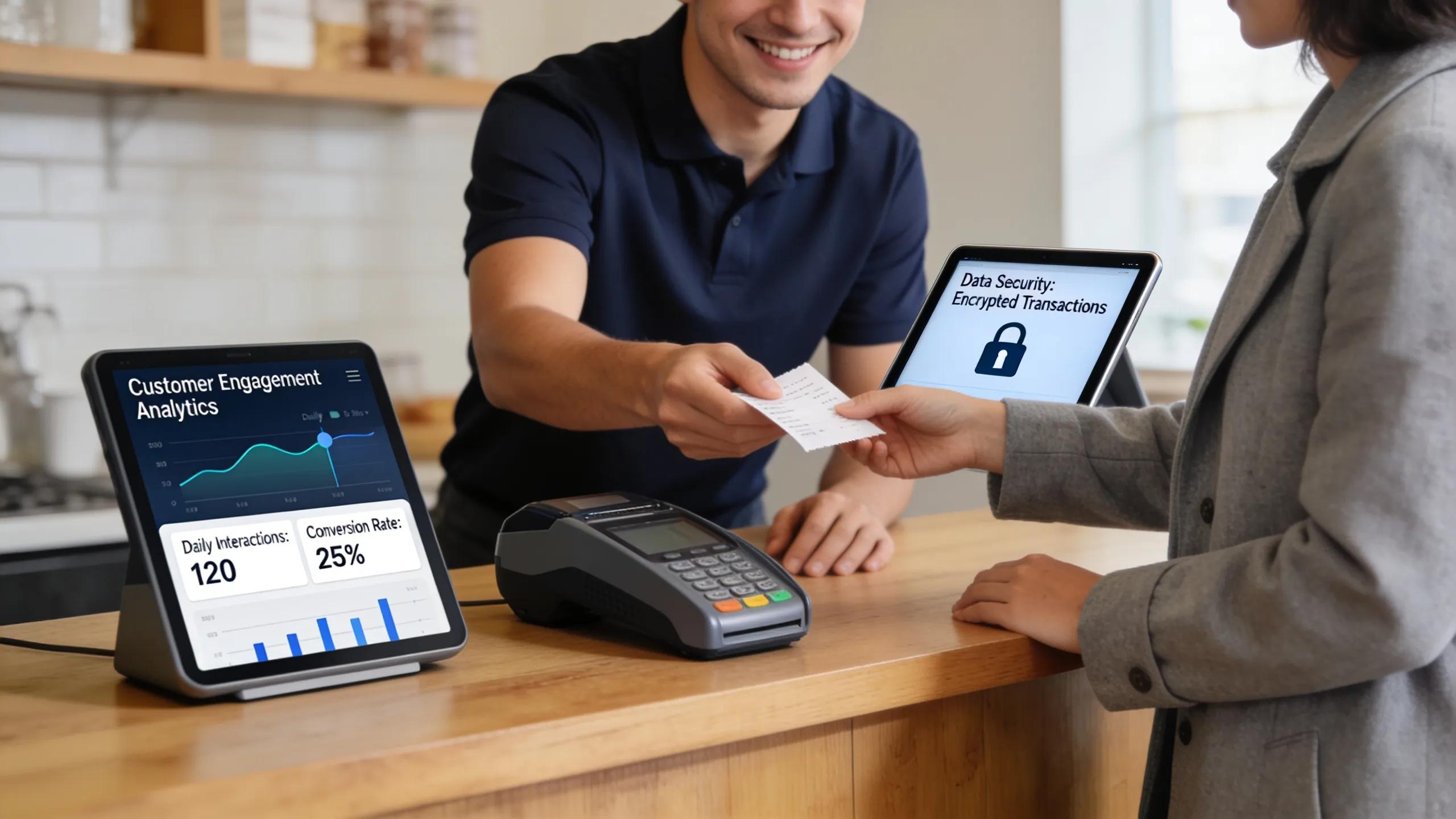
Smart POS systems offer a range of benefits that can transform how small businesses operate. Their advantages include:
- Streamlined Processes and Efficiency Improvements: Many smart POS systems automate manual tasks, freeing up staff for customer service, which can lead to increased sales.
- Data Security and Customer Engagement Insights: With built-in data encryption features, these systems help safeguard personal information, while analytics tools provide actionable insights into customer behavior.
These benefits make smart POS systems a valuable investment for any small business looking to enhance operations.
How to Choose the Right Merchant Account Provider for Your Small Business?
Choosing the right merchant account provider involves careful evaluation of various factors. Business owners should consider:
- Evaluate Provider Based on Needs: Understand specific business needs in terms of transaction volume, types of payments, and customer demographics to find the most suitable provider.
- Consider Fee Structures and Service Flexibility: Providers that allow scalability and transparent fee structures can support growth without unexpected expenses.
Deciding on a suitable merchant account provider is critical for the success of payment processing in any small business.
What Are Merchant Account Options Available from Charge.com and Competitors?
When exploring merchant account options, Charge.com offers several features that can meet diverse business needs. They provide:
- Competitive Pricing Plans: Charge.com’s plans are designed to be affordable while offering comprehensive support and features for small businesses.
- Flexible Solutions for Varying Business Sizes: Whether you’re a startup or an established business, Charge.com customizes solutions to meet your financial and operational goals.
Understanding the options available allows businesses to make informed decisions when selecting a merchant account provider.
What Fees and Pricing Should You Expect from Merchant Accounts?
The fees associated with merchant accounts can affect profitability substantially. It’s essential to consider:
- Types of Transaction Fees: Typically, these include flat-rate fees or percentage-based fees on each transaction, which can vary by provider.
- Insight into Hidden Costs and Pricing Architecture: Look for clarity on fees related to chargebacks, refunds, and monthly service costs to avoid unexpected expenses.
Knowledge of these fees will help businesses budget accurately and maintain profitability.
What Are Portable Credit Card Terminals and How Do They Benefit Small Businesses?
Portable credit card terminals are specifically designed to allow businesses flexibility in payment collection. They provide:
- Versatility in Different Business Settings: From pop-up shops to food trucks, portable terminals enable businesses to operate efficiently in various environments.
- Cost-Effective Solutions for Small Merchants: These devices often come with low-cost or pay-as-you-go pricing options, making it accessible for startups and small enterprises.
Utilizing portable terminals can enhance customer convenience and increase transaction volume.
How Do Portable Devices Support Mobility and Contactless Payments?
In today’s digital age, the ability to process payments quickly and securely is paramount. Portable devices support:
- The Advantages of Mobility in Payment Processing: Businesses can accept payments from anywhere, essential for attracting on-the-go customers who prefer instant payment options.
- Demand for Contactless Payment Preferences: With growing consumer preference for contactless methods, portable devices can accommodate these needs, ensuring customer satisfaction.
The integration of mobility in payment processing solutions ultimately enhances the overall retail experience.
Which Wireless Credit Card Readers Are Best for Mobile Merchants?
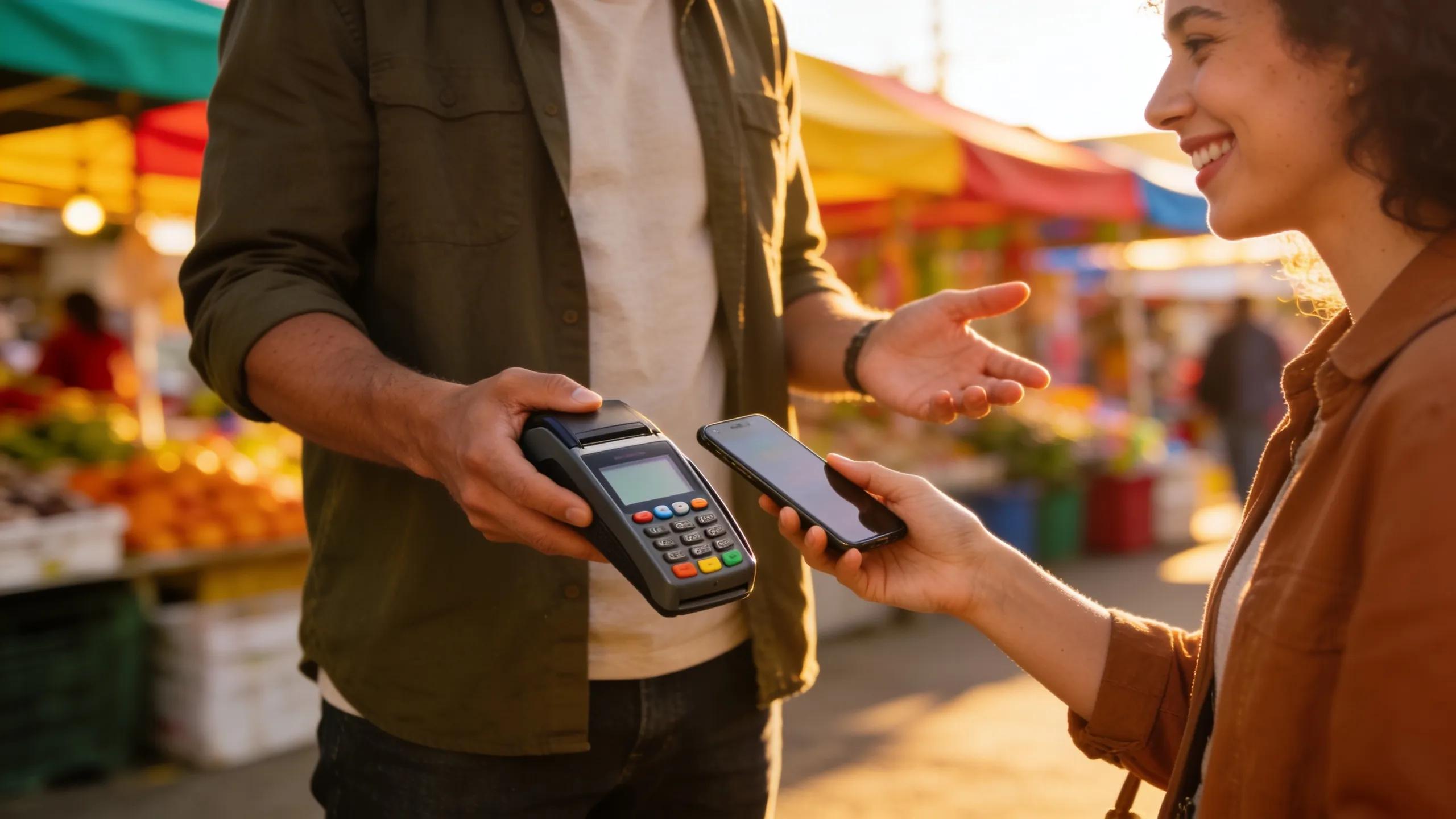
Mobile merchants can significantly benefit from using wireless credit card readers. The best available options include:
- Square Reader: A compact device that offers no monthly fees and a user-friendly interface, ideal for small businesses.
- PayPal Here: This reader allows transactions through PayPal’s platform, making it suitable for those already using PayPal as their payment processor.
- Shopify Card Reader: For existing Shopify users, this reader provides seamless integration with their online sales, enhancing the in-person transaction experience.
Selecting the right wireless reader ensures mobile merchants can operate efficiently while providing excellent customer service.
How Can Small Businesses Set Up and Maintain POS Terminals Effectively?
Setting up and maintaining POS terminals is vital for ensuring that transactions run smoothly. Here’s how small businesses can achieve this:
- Steps for Installation and Setup: Begin by selecting the right device that aligns with your business needs, followed by proper configuration to your existing systems.
- Tips for Ongoing Maintenance: Regularly updating software and ensuring all hardware is functional helps prevent disruptions during peak sales times.
By following these steps, small businesses can maximize the utility of their POS systems.
What Are the Essential Steps to Installing Your Credit Card Machine?
- Choosing Suitable Equipment: Select a device that accommodates your specific business requirements and transaction volume.
- Explained Installation Process: Refer to the manufacturer’s guidelines for setup instructions, ensuring all connections and configurations are correctly executed.
This ensures that businesses can start processing payments without unnecessary delays.