
Ecommerce Payment Processing: E-Commerce Payment Processing Setup
Online merchants setting up e-commerce payment processing need a PCI-DSS compliant gateway, secure checkout integration, and transparent rates. Charge.com delivers free payment processing software, card readers, and terminals, with rates as low as 0.25% and no setup, cancellation, or long-term contract fees, supported by 24/7/365 customer service nationwide.
Key Takeaways
- Online payments account for 21% of daily transactions across Europe’s digital payments market.
- Charge.com offers rates as low as 0.25% with zero setup, cancellation, or contract fees.
- E-commerce integration expands customer reach, enhances shopping convenience, and directly boosts sales potential.
- Charge.com provides 24/7/365 customer support backed by over 25 years of industry experience.
Why Does Payment Gateway Integration Matter for Online Merchants?
Online merchants lose sales every day when checkout fails to meet shopper expectations. Payment gateway integration has shifted from a nice-to-have feature to a baseline requirement for staying competitive online. Online merchants that delay this step risk losing ground to competitors who already offer seamless checkout.
Accepting payments online does more than process a transaction. It widens a merchant’s customer base beyond local foot traffic, builds convenience into every purchase, and increases the odds a browsing customer becomes a paying one. For online merchants operating on thin margins, that boost in sales potential carries real weight.
What Happens If a Merchant Skips Payment Options?
Limited payment options drive customers away before checkout finishes. Nearly 9% of online shoppers abandon their carts specifically because a site lacks the payment methods they trust or prefer, according to Payment Gateway Integration for eCommerce Website. For an online merchant processing hundreds of orders monthly, that abandonment rate translates into steady, measurable revenue loss.
Ecommerce payment processing solves this by giving customers multiple, familiar ways to pay without leaving the checkout page. Proper payment gateway integration connects a merchant’s storefront to a secure transaction system, reducing friction at the exact moment a sale is won or lost.
Charge.com has held the rank of #1 merchant account provider for six consecutive years. That track record gives online merchants a tested partner for online merchant account setup, ships service and support nationwide, and supports merchants looking to close the gap between browsing and buying.
What Is a Payment Gateway and How Does It Work?
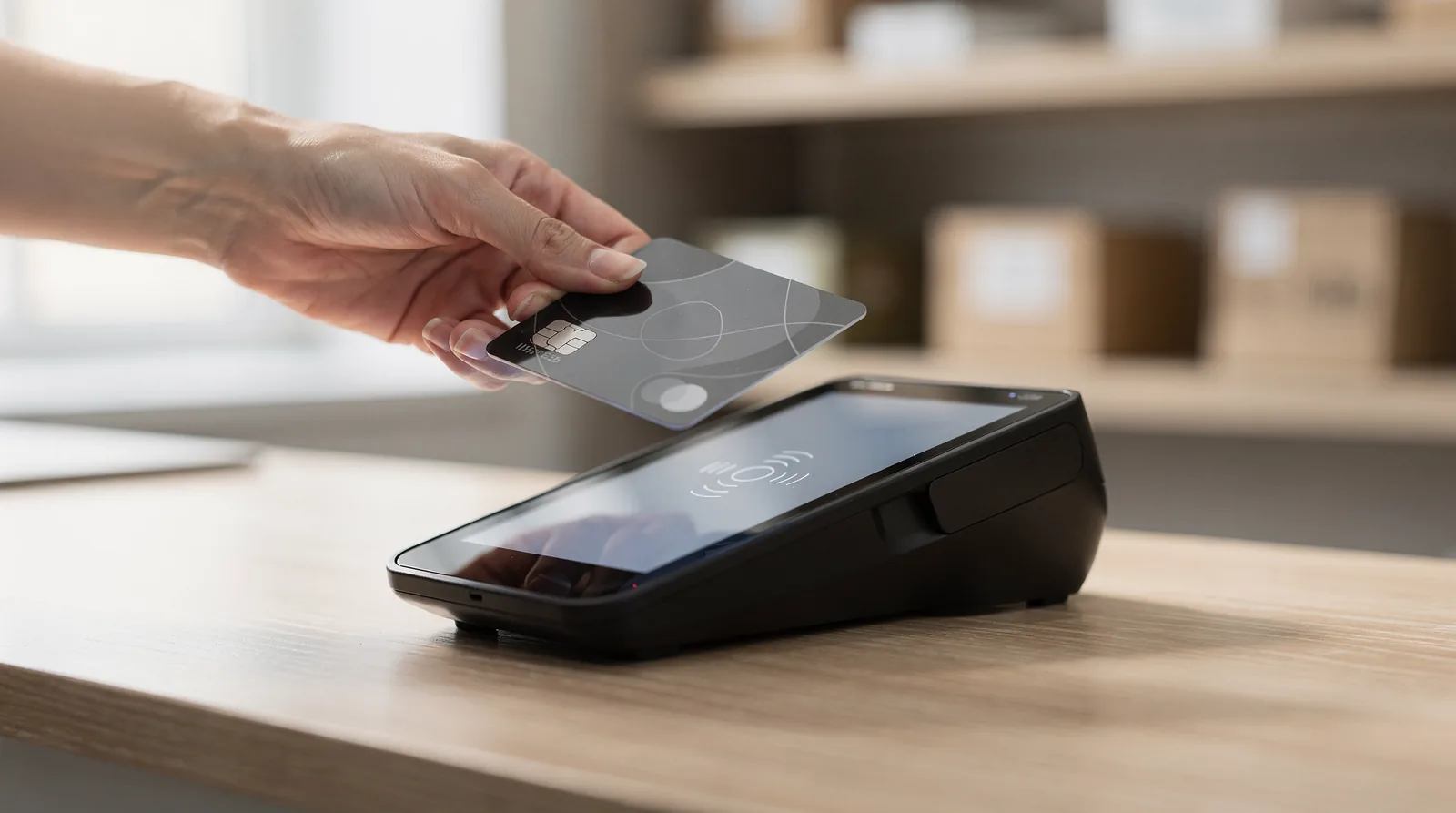
A payment gateway functions as a virtual point-of-sale terminal for online merchant transactions, standing in for the card reader found at a physical checkout counter. Payment gateway integration describes the technical process of embedding that gateway into a website, app, or marketplace platform so transactions process securely from the first click to final confirmation.
For online merchants, the gateway sits between three parties: the shopper, the storefront, and the processor handling the funds. It encrypts card numbers, routes authorization requests, and returns an approval or decline within seconds. Charge.com builds this connection for online merchants nationwide. The company offers free software and terminals, including payment processing software. Card readers for computers and mobile devices, so stores of any size can accept cards without added setup costs.
What Does a Payment Gateway Actually Do During a Transaction?
The gateway transmits and authorizes payment data between the customer, the online store, and the payment processor. This exchange happens automatically, without exposing raw card details to the merchant’s servers. Three core functions define the process:
- Encryption: shopper payment data is scrambled before transmission.
- Authorization: the issuing bank approves or declines the charge in real time.
- Settlement: approved funds move from the customer’s account to the merchant’s account.
How Does Integration Connect a Store to a Gateway?
Integration connects an ecommerce store or marketplace app directly to a chosen gateway solution. Developers link checkout pages to the gateway’s application programming interface, allowing transaction data to flow without manual re-entry. Online merchants gain a faster checkout and fewer abandoned carts once this connection is complete.
How Do You Set Up an Online Merchant Account?
Setting up a merchant account for online merchants starts with an application that reviews business type, transaction volume, and credit history. Charge.com accommodates merchants with varying credit backgrounds, ensuring accessibility for all legal businesses rather than restricting approval to only the strongest credit files. This approach matters for online merchants weighing new storefronts against seasonal cash flow swings.
Cost structure deserves scrutiny before any contract gets signed. Charge.com imposes no setup fees, no cancellation fees, and no long-term contracts, with rates as low as 0.25%. That pricing model removes the penalty risk that traps many online merchants into agreements they cannot exit affordably.
What equipment does an online merchant account include?
Approved accounts come with free software and terminals, covering ecommerce payment processing tools and card readers built for computers and mobile devices. No separate hardware purchase or licensing fee applies. Online merchants running both a website and a physical counter can outfit each channel without added equipment cost.
Can one account handle multiple sales channels?
Yes. Setup supports credit card acceptance online, in-person, by phone, mail, or fax, consolidating transaction management under a single account. Online merchants selling through a website, a call center, or a mail-order catalog avoid juggling separate processors.
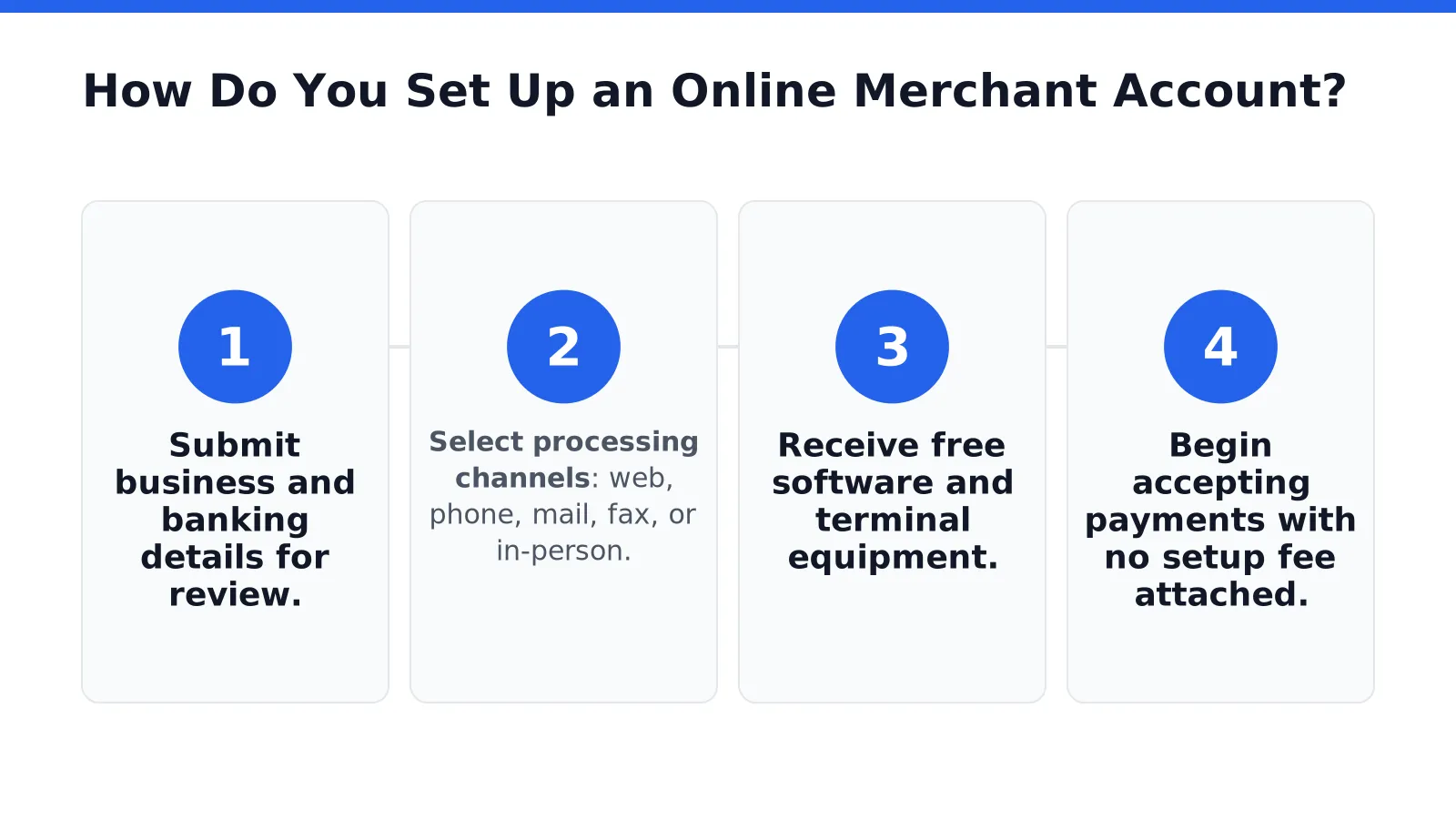
Online merchant account setup steps typically include:
- Submit business and banking details for review.
- Select processing channels: web, phone, mail, fax, or in-person.
- Receive free software and terminal equipment.
- Begin accepting payments with no setup fee attached.
Proper payment integration across every channel keeps online merchants from losing sales to declined or mismanaged transactions.
Which Payment Processing Options Reduce Cart Abandonment?
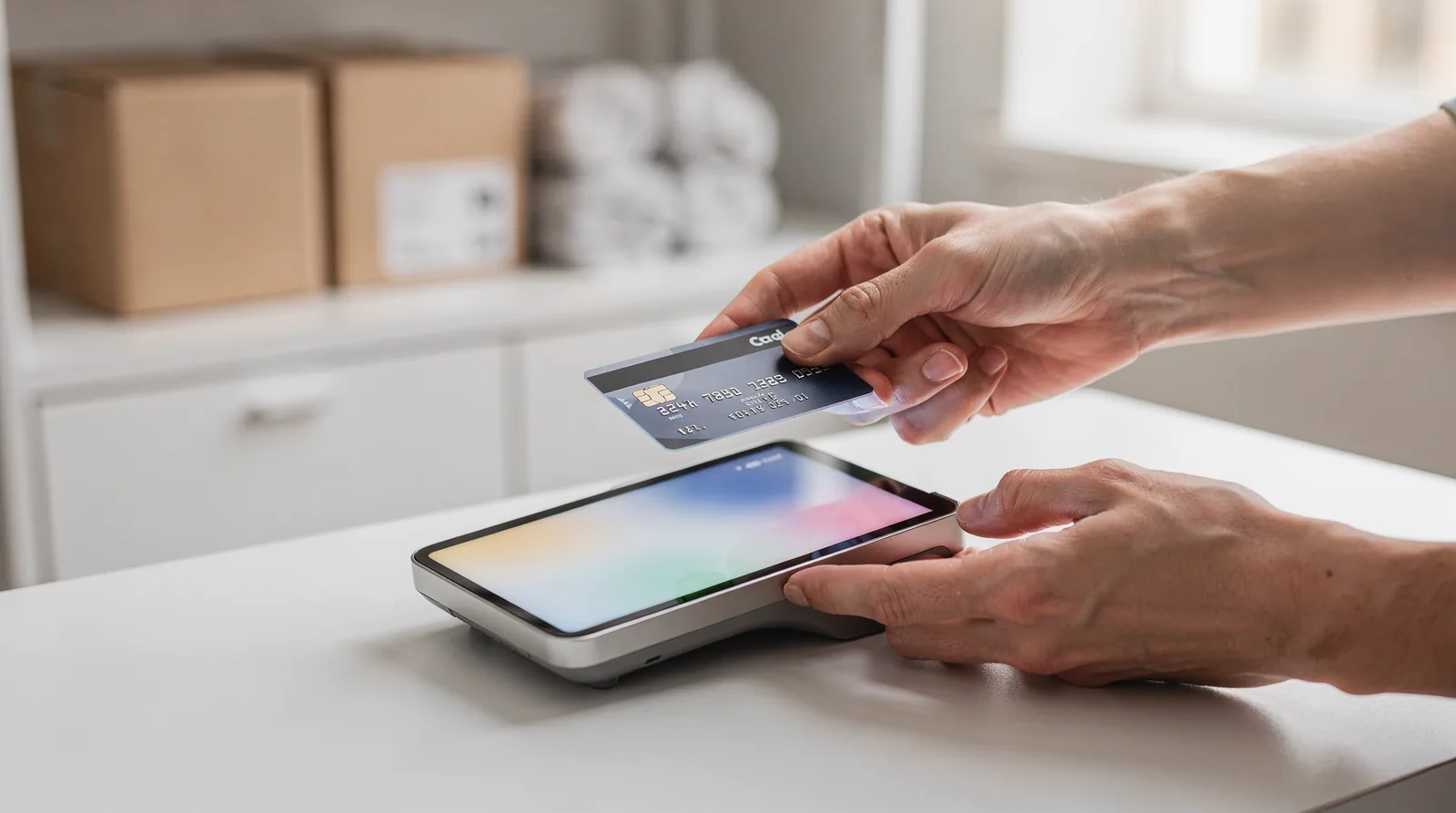
Broad payment acceptance keeps online merchants from losing sales at checkout. Limited options drive roughly 9% of shoppers to abandon their carts, a figure the Payment Gateway Integration for eCommerce Website study attributes directly to narrow payment methods. For online merchants running a storefront, that gap translates into orders lost before a transaction ever completes.
Digital payments now carry serious weight in daily commerce. Online transactions account for a daily average of 21% of all payment activity, according to the Complete payment gateway integration guide for ecommerce and mobile commerce. More striking still, those online payments represent 36% of total financial value moving through businesses each day. For online merchants, that imbalance means a small share of transaction volume generates an outsized portion of revenue, making reliable ecommerce payment processing a direct revenue safeguard rather than a back-office detail.
What payment methods should online merchants offer to prevent abandonment?
Online merchants reduce abandonment by matching checkout flexibility to shopper expectations. A practical starting list includes:
- Major credit and debit cards processed through a compliant gateway
- Mobile wallet acceptance for phone-based checkout
- Recurring billing support for subscription-based online merchants
Charge.com supports payment gateway integration built around these options, giving online merchants a setup that doesn’t narrow checkout at the moment it matters most.
Does support response time affect checkout reliability?
Processing errors at checkout push shoppers toward abandonment just as quickly as missing payment options. Charge.com backs every online merchant account setup with customer support available 24/7/365, so processing issues get resolved before they cost a sale. That continuous availability matters most during peak traffic, when a stalled transaction can end a sale permanently.
How Can Online Merchants Choose the Right Processing Partner?
Online merchants choose the right processing partner by weighing track record, pricing transparency, and support quality against the real cost of staying offline. An inability to accept online payments can greatly harm and hinder a merchant’s revenue, which makes this decision far more than an administrative checkbox. Every dollar lost to abandoned checkouts or declined transactions compounds over time.
Experience matters here. A provider with over 25 years online brings accumulated knowledge of how ecommerce payment processing needs shift across industries and credit profiles. That longevity also means exposure to a wide range of merchant situations, including businesses with less-than-perfect credit histories that still deserve reliable account access.
Does a provider’s industry ranking actually matter?
Rankings signal consistency, not hype. Being rated the #1 merchant account provider for six consecutive years reflects sustained performance rather than a single strong year. Merchants evaluating partners should look for this kind of multi-year recognition rather than one-time awards.
What terms should merchants watch for before signing?
Merchants should scrutinize the fine print before committing to payment gateway integration. The safest agreements avoid locking businesses into unfavorable terms.
- No setup fees
- No cancellation fees
- No long-term contracts required
These terms protect merchants financially during online merchant account setup, allowing businesses to test a relationship without risking sunk costs if circumstances change.
FAQ
What does Charge.com offer online merchants setting up e-commerce payment processing?
Charge.com provides free payment processing software, card readers, and terminals, with rates as low as 0.25% and no setup, cancellation, or long-term contract fees, backed by 24/7/365 customer support.
Why do online shoppers abandon their carts before completing checkout?
Nearly 9% of online shoppers abandon carts because a site lacks trusted or preferred payment methods, causing online merchants steady, measurable revenue loss from limited payment options.
What is a payment gateway and what role does it play?
A payment gateway acts as a virtual point-of-sale terminal, encrypting card numbers and routing authorization requests between the shopper, storefront, and processor to return approval or decline within seconds.
Conclusion
In closing, the foundation for sustainable ecommerce growth rests on payment infrastructure that removes friction at every transaction point. Online merchants who consolidate processing channels, eliminate contractual penalties, and secure round-the-clock support establish the operational reliability that converts shoppers into repeat customers. The decision to implement comprehensive payment gateway integration transcends administrative necessity, it represents a direct investment in revenue protection and business resilience. Merchants equipped with transparent pricing, flexible terms, and accessible expertise position themselves to capture sales that competitors lose to checkout abandonment and processing delays.