
Restaurant Payment Processing: Modern POS Solutions by Charge.com
In today’s competitive restaurant landscape, efficient “payment processing” is vital for maintaining customer satisfaction and operational efficiency. A well-implemented restaurant POS system not only streamlines transactions but also enhances the dining experience through innovative features like table-side payments and online ordering. This article delves into the essential elements of restaurant payment processing, including the key technologies that can elevate these systems, and how they can mitigate risks associated with credit card fraud. Readers will gain insights into table-side services, online ordering solutions, and the importance of EMV compliance. Lastly, we’ll explore streamlined merchant services designed specifically for restaurant needs, allowing owners to make informed decisions on the best systems to adopt.
Recent industry research highlights the broad variety of modern payment technologies now available to help restaurateurs optimize these essential service functions.
Innovative Restaurant Payment Solutions: A Comprehensive Analysis of Modern POS Integration
This research conducted a comprehensive census of 100 payment solutions, covering nearly all available options in Italy and a significant portion of those across Europe. The study categorizes these solutions based on features such as digital menus, real-time updates, multi-language support, integration with POS systems, and diverse payment options, including credit cards, mobile wallets like Apple Pay and Google Pay or meal vouchers. Transforming the dining experience: a census of innovative payment solutions for restaurants, 2023
Enhancing Customer Experience with Table-Side Service
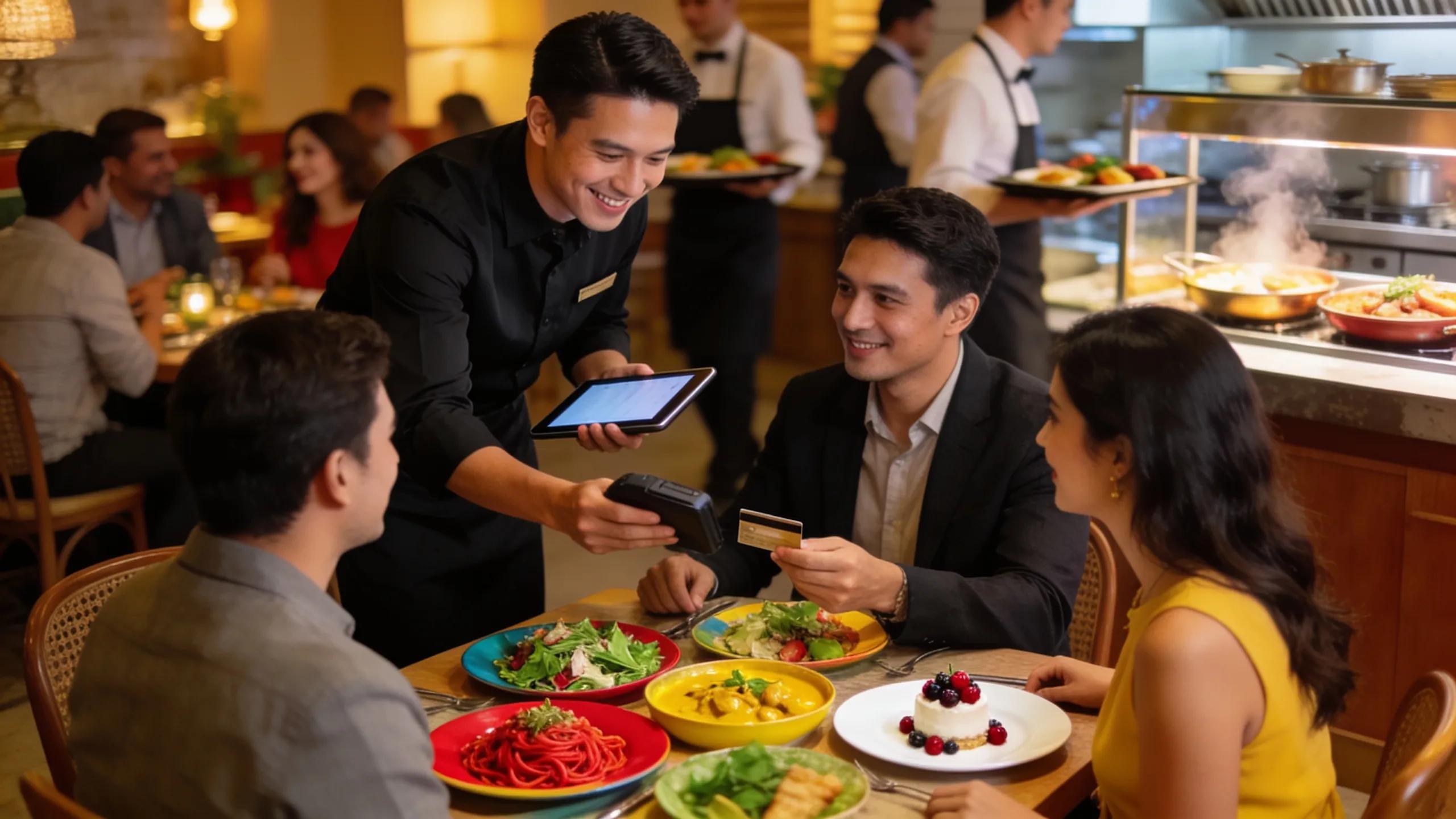
Table-side service enhances the dining experience by reducing wait times and allowing for immediate transactions directly at the customer’s table. This innovation leverages “mobile devices”, enabling servers to process payments like credit card transactions on the spot. Fast, efficient service created through table-side payment systems improves customer satisfaction and operational efficiency.
How do mobile and table-side payment systems enhance customer service?
Mobile and table-side payment systems significantly boost customer service by eliminating the delays associated with traditional payment methods. With the ability to process payment swiftly, restaurants can ensure that guests have a seamless and pleasant dining experience. Moreover, customers appreciate having multiple payment options, which can include credit cards, mobile wallets, or even contactless payments. Additionally, integration with loyalty programs can enhance customer retention, making patrons feel valued and encouraging repeat visits.
Which types of POS hardware optimize restaurant operations?
The right POS hardware can greatly enhance restaurant operations. Key features to consider include cloud-based systems that offer flexibility and remote access, comprehensive analytics tools that assist in decision-making, and advanced security measures to protect sensitive customer data. Effective POS systems should also accommodate various payment methods to cater to diverse customer preferences.
Online Ordering
Online ordering is becoming increasingly essential for restaurants aiming to expand their customer base and improve operational efficiency. By integrating POS systems with reputable online ordering platforms, businesses can streamline order management and enhance the customer experience.
Beyond basic ordering, many establishments are now leveraging digital tools to further increase transparency and operational speed at the point of sale.
Streamlining Restaurant Operations: QR Code-Based Ordering and POS Integration
One innovation that is widely adopted is the use of a QR Code-based ordering system to increase service efficiency and transaction transparency. This research aims to design and visualize a QR Code-based cafe ordering system that is integrated with a Point of Sale (POS) system and electronic receipt features. Integrated QR Code-Based Cafe Ordering with Point of Sale and Electronic Receipt, 2026
How to integrate online ordering with restaurant POS software effectively?
To integrate online ordering with POS software effectively, it’s essential to select compatible systems that communicate seamlessly. Automating the payment processing can help minimize errors and ensure smooth operations, leading to fewer mix-ups and a faster service. Additionally, regular testing of the integration ensures that the system runs efficiently, which can further enhance the dining experience for customers using online platforms.
What advantages does integrated online ordering bring to restaurant payments?
Integrated online ordering solutions can lead to a more efficient workflow and improved customer satisfaction. By ensuring accurate reporting on sales and customer preferences, restaurants can make more informed decisions about menu offerings and promotional strategies. This integration allows for increased sales as restaurants reach a broader audience through various online platforms.
EMV Technology
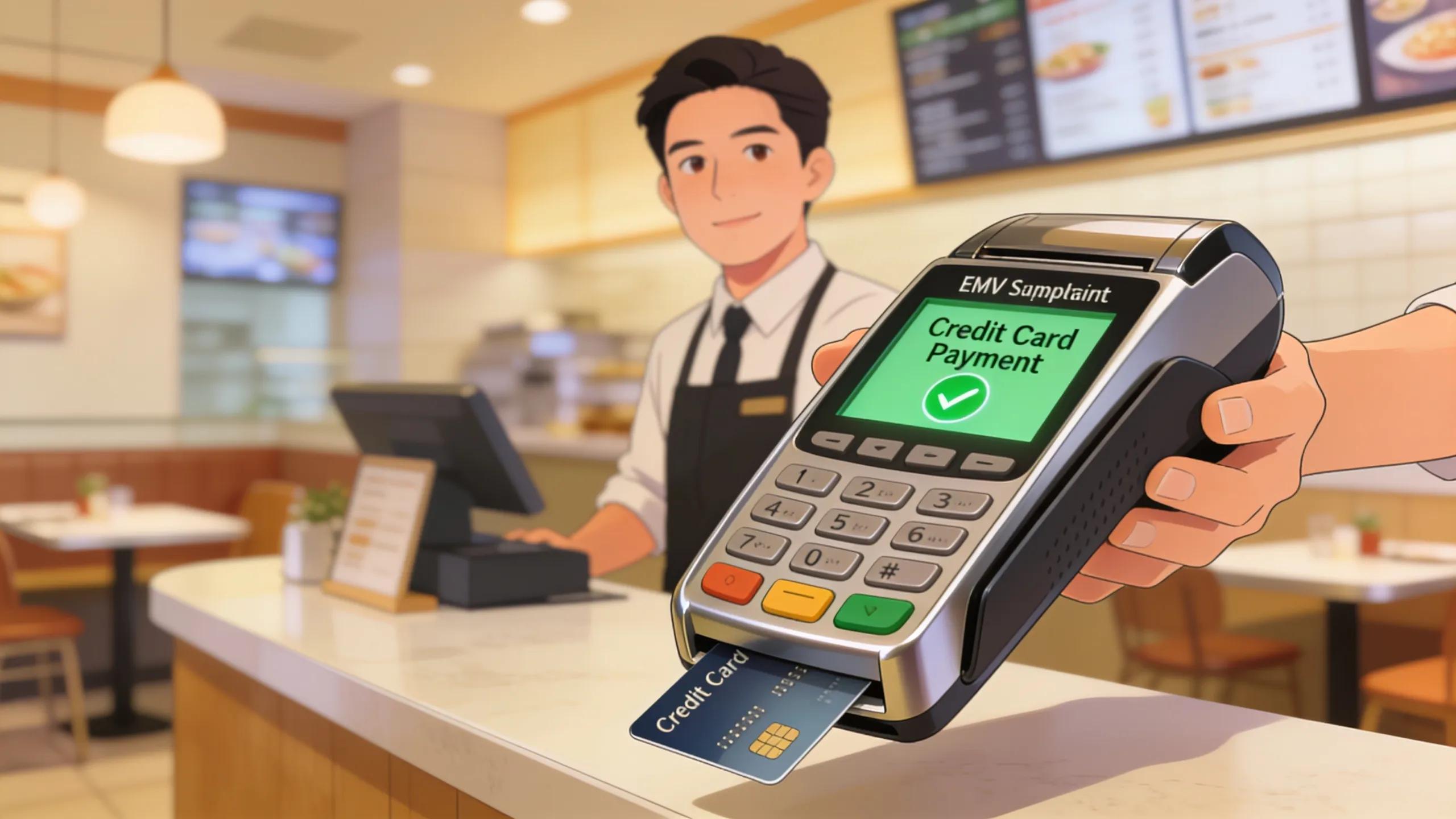
technology plays a crucial role in payment security by providing enhanced protection against credit card fraud. The adoption of “EMV standards” is vital for maintaining compliance and protecting customer data in restaurant transactions.
Why is EMV compliance critical for restaurant credit card processing?
EMV compliance is critical for protecting against data breaches and reducing liability for fraudulent transactions. Restaurants must adhere to these standards to build trust with their customers, ensuring a safe dining experience. By utilizing EMV-compliant systems, restaurants demonstrate their commitment to safeguarding sensitive customer information.
What are the benefits of EMV-compliant POS systems in restaurants?
EMV-compliant POS systems offer several benefits, including improved transaction speeds and enhanced security features that protect against fraud. These systems help build customer trust and loyalty by ensuring a secure payment environment. Additionally, they often provide integrated reporting tools, allowing restaurants to analyze transaction data effectively.
How does EMV ensure payment security and compliance?
EMV technology enhances payment security through the use of dynamic transaction codes that change with each transaction. This process adds a layer of encryption, making it significantly harder for fraudsters to replicate card data. Compliance with EMV standards also aligns with industry regulations, ensuring that restaurants maintain necessary security protocols.
What are the key features of restaurant POS hardware for seamless payments?
The key features of restaurant POS hardware that enable seamless payments include:
- Compatibility with Various Payment Methods: Effective systems support diverse payment options, from credit and debit cards to mobile wallets.
- User-Friendly Interfaces: Intuitive design can simplify operations for staff, allowing for quicker service.
- Integration with Inventory Management: Linking POS systems with inventory helps optimize stock levels and track sales patterns more accurately.
Understanding these features is crucial for restaurant owners looking to enhance their payment processing systems.
What solutions does a merchant account provide for restaurant payment processing?
Merchant accounts provide several key solutions for restaurant payment processing, including:
- Facilitation of Multiple Payment Methods: Allowing processors to handle various payment forms, improving customer convenience.
- Integration with POS Systems: Streamlining operations and ensuring accurate transaction data transfer.
- Comprehensive Reporting Tools: Offering insights into sales trends and financial performance to aid in decision-making.
How to set up a merchant account tailored for restaurant POS systems?
Setting up a merchant account for restaurant POS systems involves several steps:
- Choosing the Right Provider: It’s essential to select a provider familiar with restaurant operations and needs.
- Gathering Documentation: Prepare necessary documents for your application, including business details and tax information.
- Ensuring Security Features: Confirm that the account includes robust security measures to protect customer data.
What are typical processing rates and flexible options for restaurants?
Restaurants often benefit from processing rates that cater to their specific business models. Typical processing fees can vary, affecting the overall cost of transactions. Flexible options, such as tiered pricing, can accommodate the unique needs of different restaurant types, ensuring cost-effectiveness.
In conclusion, effective integration of restaurant payment processing solutions like table-side service, online ordering, and EMV technology offers numerous advantages to enhance customer experiences and streamline operations. As businesses consider updating their systems, options from providers like Charge.com, specializing in merchant services tailored for restaurants, can facilitate the transition to more efficient payment processing systems.