
Charge Pay & Mobile Invoicing: Streamlining Contactless Business Transactions
Mobile invoicing and contactless payment tools enable small businesses to process transactions anywhere, eliminating reliance on cash or traditional terminals. Charge.com provides turnkey merchant accounts with rates as low as 0.25%, zero setup fees, and free mobile card readers for iOS and Android devices. Charge pay streamlines billing, accelerates settlement, and reduces operational friction for service professionals and e-commerce merchants.
Key Takeaways
- Contactless payment processing eliminates physical contact with payment hardware and authorizes payments in under a second.
- Mobile credit card processing apps turn a smartphone into a portable payment terminal using a dedicated payment app.
- Accepting credit cards increases sales by 50 to 500 percent or more, according to Charge.com data.
- Businesses that fail to adopt these payment methods forfeit substantial revenue that competitors capture daily.
What is contactless payment processing?
Contactless payment processing is a payment technology that lets customers complete transactions by tapping a card or mobile device near a compatible reader. The transaction completes instantly without inserting a card or entering a PIN. This method, often called tap-to-pay, uses short-range wireless communication to transmit encrypted payment data between the customer’s device and the merchant’s terminal.
Contactless payment processing eliminates physical contact with payment hardware. A customer holds a contactless-enabled credit card, smartphone, or smartwatch within a few centimeters of the terminal. The terminal reads the encrypted credentials and authorizes the payment in under a second. No signature or PIN entry is required for most transactions under a set threshold.
How does tap-to-pay work on a smartphone?
A smartphone with a digital wallet stores encrypted card credentials. The customer unlocks the phone and holds it near the terminal. The terminal and phone exchange a one-time security code that validates the transaction. The merchant receives approval without ever handling the customer’s physical card.
What equipment does a business need for contactless payments?
A business needs a payment terminal or mobile device with near-field communication capability. Many modern countertop terminals include this feature by default. Alternatively, mobile credit card processing apps turn a smartphone into a contactless reader. Charge.com provides a turnkey way to accept credit cards online, in-person, on mobile devices, or by phone or mail. The company equips merchants with free EMV countertop terminals and free mobile card readers for iOS and Android.
What is charge pay?
Charge pay refers to the broader category of card-present transactions processed through electronic terminals. It encompasses swipe, dip, and tap methods. Contactless represents the fastest subset of charge pay, reducing checkout time and minimizing hardware wear. Businesses that adopt contactless processing avoid the friction of manual card insertion and signature capture.
How does mobile credit card processing work?
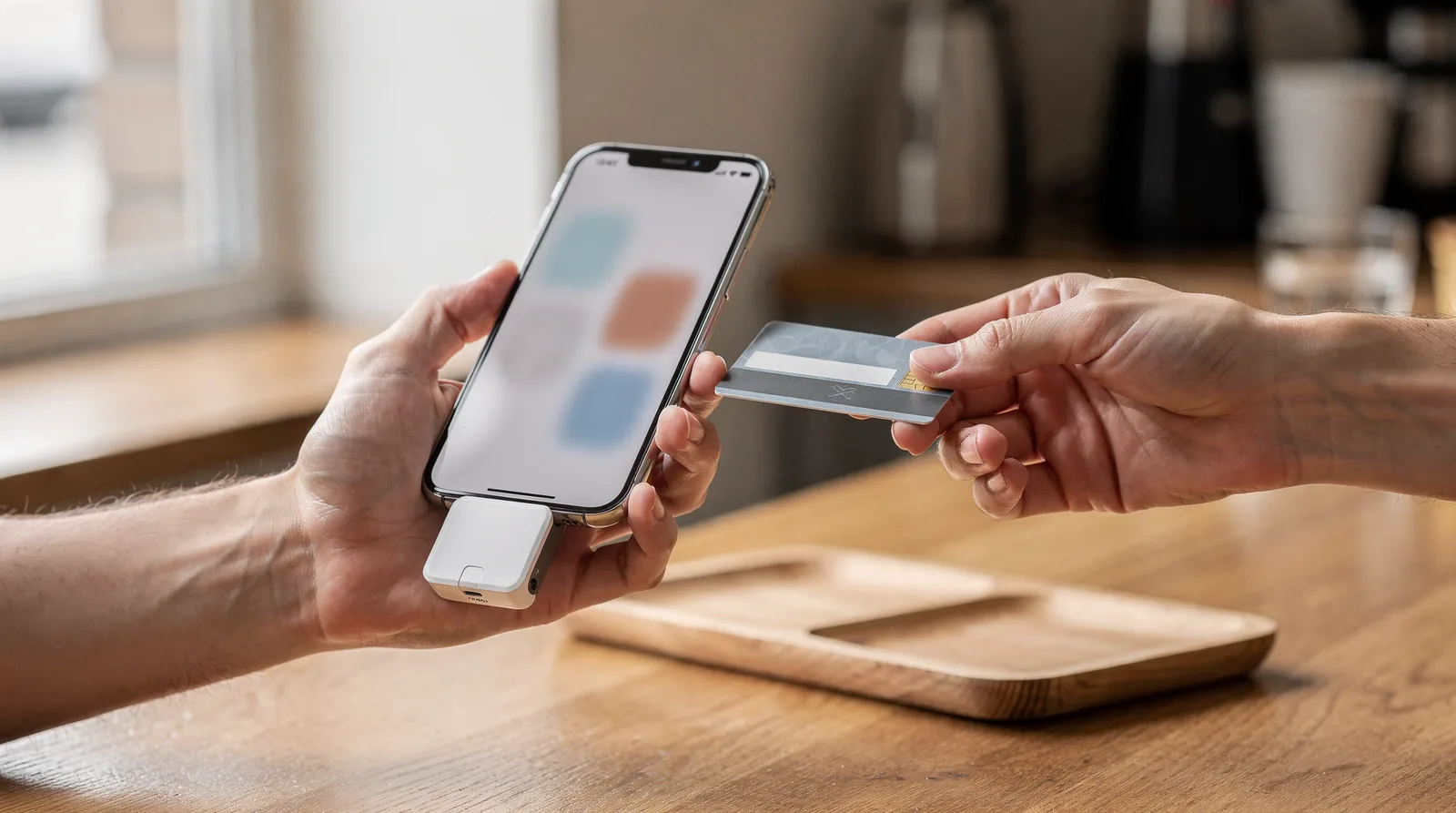
Mobile credit card processing transforms a smartphone or tablet into a portable payment terminal. A dedicated payment app on the device accepts card transactions anywhere cellular or Wi‑Fi service exists.
The process starts when a merchant initiates a charge within the app. The customer’s card data enters the system through a card reader, manual entry, or a contactless payment processing tap. The app encrypts that data and routes it to a payment gateway. The gateway forwards the authorization request to the card network and issuing bank. Approval or decline returns to the app within seconds.
What equipment does mobile credit card processing require?
A merchant needs three components. A smart device runs the payment application. A card reader captures payment data. Charge.com supplies free mobile card readers compatible with iOS and Android platforms. These charge pay tools connect via Bluetooth or audio jack and read EMV chip, magnetic stripe, and NFC‑enabled cards.
Can mobile processing handle phone and mail orders?
Phone and mail transactions fit the same workflow. The merchant accesses a virtual terminal through Charge.com’s payment gateway. Card numbers enter manually on the screen instead of through a reader. The gateway encrypts the data, submits it for authorization, and returns the result. This unified system means a business running mobile credit card processing never needs separate hardware for card‑not‑present sales.
What are the benefits of charge pay for businesses?
Charge pay solutions deliver measurable financial and operational advantages for small businesses. ### How does mobile credit card processing improve the customer experience?
Mobile credit card processing enhances the checkout experience through speed and convenience. Modern consumers gravitate toward mobile payment apps due to their ease of use. A streamlined transaction reduces wait times and eliminates friction that causes abandoned purchases.
What cost advantages does contactless payment processing offer?
Contactless payment processing becomes affordable through low-rate merchant accounts. Charge.com provides rates as low as 0.25 percent with no long-term contracts. This pricing structure removes the financial barrier that prevents small businesses from adopting modern payment technology.
The revenue impact extends beyond the transaction itself. Businesses accepting credit cards capture impulse purchases and higher-ticket sales that cash-only operations lose. Mobile service professionals, pop-up retailers, and e-commerce merchants all benefit from the flexibility to accept payments anywhere.
Charge.com equips merchants with free mobile card readers for iOS and Android devices. The company also provides free EMV countertop terminals and virtual terminals backed by 24/7 US-based technical support. Zero setup fees and zero cancellation fees eliminate the risk of testing a new payment system.
How do mobile payments affect sales volume?
Sales increases of 50 to 500 percent stem from removing payment barriers. Customers spend more freely when not constrained by the cash in their wallets. The benefits of merchant services include higher average transaction values and improved cash flow through faster settlement times. Businesses that delay adoption leave this revenue with competitors who already accept mobile and contactless payments.
How can businesses accept contactless payments without extra hardware?
Businesses can accept contactless payments without purchasing additional card readers by using tap-to-pay functionality built into modern smartphones. Top mobile payment apps for entrepreneurs offer tap-to-pay on smartphones with no card reader needed, according to the U.S. Chamber of Commerce. These applications also support Bluetooth devices for fast acceptance of credit cards, contactless cards, or mobile wallet payments.
Charge pay capabilities eliminate the upfront cost of dedicated terminals. A merchant downloads a compatible payment application, enables the phone’s near-field communication antenna, and begins accepting transactions immediately. This approach suits mobile service professionals who invoice clients at job sites, at markets, or in vehicles.
What is the difference between tap-to-pay and a card reader?
Tap-to-pay uses the smartphone’s built-in NFC hardware to read contactless cards and mobile wallets directly. A separate card reader requires Bluetooth pairing, battery management, and physical storage. The smartphone method removes all three requirements.
Mobile credit card processing through a phone’s native antenna delivers the same encryption standards as dedicated hardware. Stripe’s documentation on Tap to Pay confirms that contactless transactions reduce physical contact at checkout, improving hygiene for employees and customers.
Can businesses process payments without any physical device at all?
Yes. Contactless payment processing extends beyond in-person transactions. Charge.com provides free virtual terminals that enable merchants to process payments by phone or mail without physical equipment. A virtual terminal runs in any web browser, allowing a business to key in card details from a customer who provides them verbally or on a paper form.
This method suits service businesses that invoice remotely, take deposits over the phone, or handle recurring billing. The merchant needs only a computer or tablet with internet access. No card reader, no dongle, and no dedicated terminal are required.
For a deeper explanation of how NFC and mobile connectivity secure these transactions, review the mechanics of contactless mobile payments.
What should businesses look for in a mobile invoicing solution?
A mobile invoicing solution must integrate directly with payment processing. This integration allows customers to pay instantly from the invoice itself. Without this capability, businesses lose revenue to delayed payments and abandoned invoices.
The evaluation framework centers on three criteria: payment integration, support reliability, and cost transparency. Each criterion carries measurable operational consequences.
How does payment integration affect invoice collection?
Mobile credit card processing embedded within an invoicing tool eliminates the gap between sending a bill and receiving funds. A small business payment app processes sales anywhere using a smartphone, according to the U.S. Chamber of Commerce. The invoice becomes a payment terminal rather than a static document. Businesses that separate invoicing from payment acceptance introduce friction that extends collection cycles.
What support and pricing structures should businesses verify?
Charge.com provides 24/7/365 US-based technical support for merchants handling payment and invoicing issues. Round-the-clock support matters when a transaction fails during a customer interaction. The absence of immediate assistance converts a recoverable error into a lost sale.
Pricing structure demands equal scrutiny. Businesses should select a solution with no setup fees, no cancellation fees, and transparent pricing. Hidden costs erode margins silently. A provider that discloses all charges upfront protects the merchant from unpredictable monthly deductions.
Contactless payment processing and charge pay functionality extend the invoicing tool’s reach. Customers expect tap-to-pay and mobile wallet options at every touchpoint. An invoicing solution that supports these methods captures revenue that legacy systems forfeit.
FAQ
What equipment does a business need for contactless payments?
A business needs a a payment terminal or mobile device with near-field communication capability. Charge.com provides free EMV countertop terminals and free mobile card readers for iOS and Android.
How does mobile credit card processing work?
A dedicated payment app on a smartphone or tablet accepts card transactions anywhere cellular or Wi‑Fi service exists. The customer’s card data enters through a card reader, manual entry, or a contactless tap.
What is contactless payment processing?
Contactless payment processing lets customers complete transactions by tapping a card or mobile device near a compatible reader. Conclusion Businesses that integrate mobile invoicing with contactless payment processing eliminate the friction that delays revenue collection and drives customers to competitors. The decision to adopt these tools determines whether a merchant captures impulse purchases and higher-ticket sales or forfeits them. Evaluating a solution against the three criteria of payment integration, support reliability, and cost transparency provides the framework for selecting a system that protects margins and accelerates cash flow.
Related Payment Solutions & Merchant Resources
- Discover reliable credit card processing with Charge.com for retail and mobile operations.
- Expand your digital payment footprint and accept credit cards online with secure hosted checkout solutions.
- Explore ecommerce credit card processing options tailored to high-converting online stores.
- Read our local guide on affordable mobile credit card processing in Florida for small businesses and mobile merchants.
- Compare fee structures and processing differences in our guide to charge cards vs credit cards for merchants.