
High-Volume Merchant Accounts: Scalable Enterprise Payment Solutions
High-volume merchant accounts are essential for businesses that process a large number of transactions daily. As e-commerce and enterprise services grow, the need for robust payment processing solutions has become apparent. This article explores the significance of high-volume merchant accounts and their integral role in scaling payment processing capabilities. We’ll address the specific transaction needs of enterprises, the advantages of multi mid payment gateway integration, and strategies for managing risk and fraud effectively. Finally, we will detail the transparent pricing and onboarding steps necessary for setting up these accounts, alongside how to request a free quote from Charge.com.
What Are High-Volume Merchant Accounts and Why Are They Essential?
High-volume merchant accounts are specialized payment processing services designed to handle large transaction volumes securely and efficiently. These accounts are crucial for enterprises that experience high sales volumes, providing enhanced transaction limits and advanced security measures to protect sensitive customer data. The importance of high-volume accounts lies in their ability to facilitate seamless payment experiences, adapt to varying transaction demands, and provide critical support in cash flow management. For businesses aiming for scalability, having a high-volume merchant account is a vital strategic component.
Modern enterprises increasingly rely on advanced architectural frameworks to ensure their payment infrastructure can handle massive, real-time demand.
Cloud-Native Strategies for Scalable Enterprise Payment Systems The modernization of financial enterprise systems has accelerated significantly due to the increasing demand for real-time transaction processing, continuous scalability, operational resilience, and intelligent automation. Traditional monolithic enterprise infrastructures are increasingly unable to support the performance, elasticity, and fault tolerance required by modern mission-critical financial applications. Performance-Optimized Cloud-Native Enterprise Ecosystems for Mission-Critical Financial Applications Using Kafka and Containerized Microservices, 2026
How Do High-Volume Accounts Support Enterprise Transaction Needs?
High-volume merchant accounts significantly enhance transaction efficiency, making them indispensable for enterprises. They streamline payment processing capabilities, allowing businesses to manage cash flow more effectively while accommodating fluctuations in transaction volumes. These accounts also support the unique operational demands of enterprises by offering tailored solutions that adapt to market changes.
For businesses considering a high-volume merchant account, Charge.com provides scalable solutions to meet their growing transaction needs, allowing enterprises to handle increased sales without compromising service quality.
Which Businesses Benefit Most From High-Volume Merchant Solutions?
High-volume merchant accounts are particularly advantageous for various types of businesses, including:
- E-commerce Retailers: Online stores that receive substantial traffic and process numerous transactions benefit the most from high-volume accounts, as they streamline the payment process and improve customer satisfaction.
- Membership and Subscription Services: Recurring billing and subscriptions require reliable processing solutions to manage continuous transactions seamlessly.
- High-Risk Industries: Businesses operating in sectors considered high-risk can leverage high-volume merchant accounts to mitigate transaction-related challenges and access better payment processing options.
Optimizing Multi-MID Gateways for Scalable Payment Processing

Multi-mid payment gateway integration refers to utilizing multiple merchant accounts through various payment gateways to manage and optimize transaction processes. This approach significantly enhances transaction efficiency by balancing loads across different gateways, reducing downtime, and offering flexibility during peak transaction periods.
What Are the Benefits of Multi Mid Gateways for Enterprise Merchants?
The benefits of multi mid gateways include:
- Lower Transaction Fees: Businesses can negotiate better terms by distributing their transaction volume across multiple accounts, potentially reducing overall processing costs.
- Faster Processing Times: With multiple gateways, transactions can be routed through the most efficient pathway, decreasing the time taken to process payments.
- Reduced Risk of Downtime: Utilizing several gateways ensures that if one experiences issues, transactions can continue processing through others, minimizing disruption.
How Does Multi Mid Integration Improve Payment Processing Reliability?
Multi mid integration enhances reliability in several ways.
- Redundancy and Security: Implements failover systems, ensuring that transactions are processed securely even if one gateway experiences issues.
- Minimizing Transaction Failures: By routing transactions through the best-performing gateway at any given moment, businesses greatly reduce the likelihood of transaction failures.
- Adapting to Fluctuations: Enterprises can adjust their usage dynamically to match traffic patterns and transaction loads, thus ensuring consistent performance.
How Can Enterprise Merchants Manage Risk and Fraud in High-Volume Payment Processing?
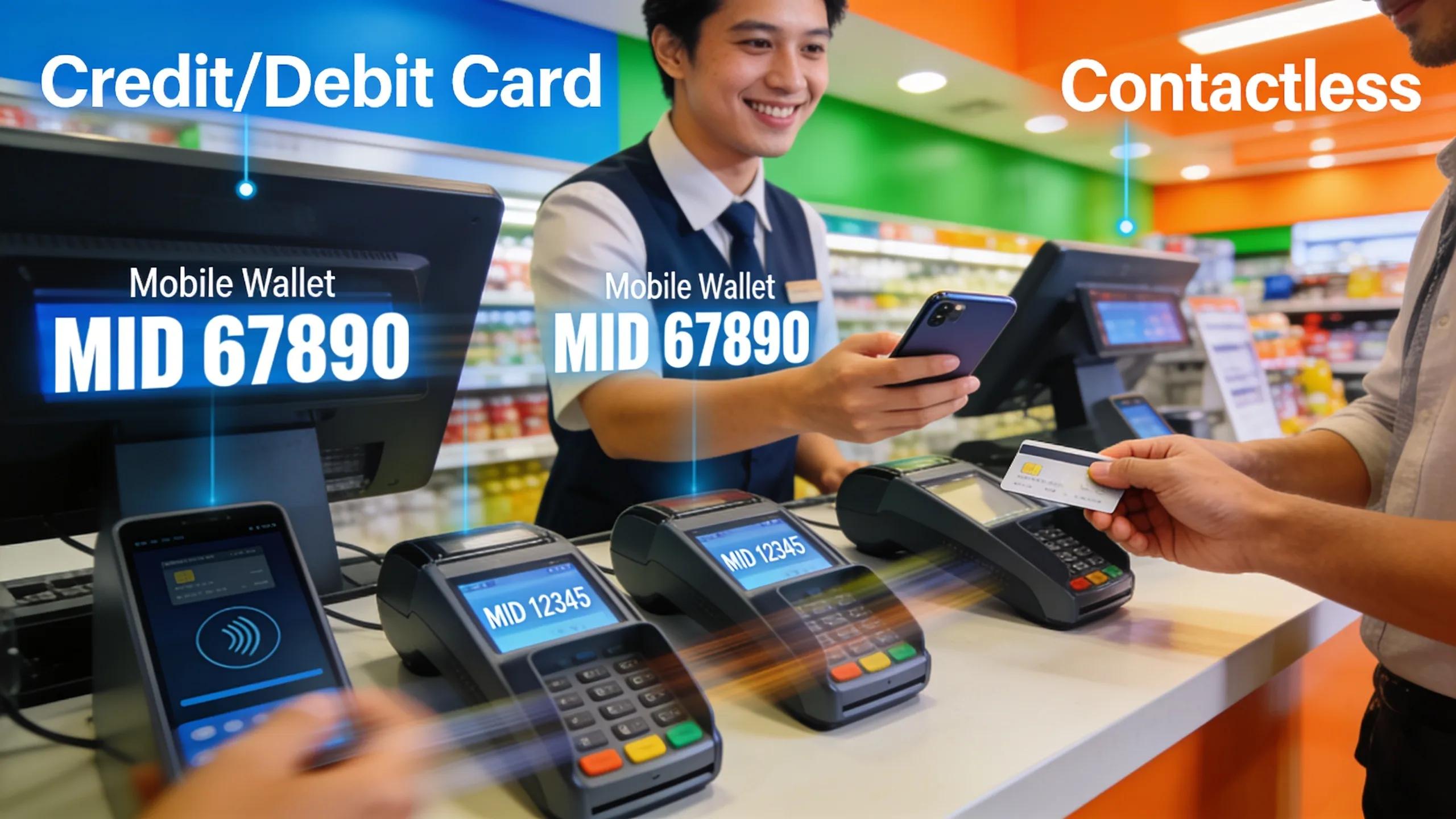
Managing risk and fraud is paramount in high-volume payment processing. Enterprises can implement several strategies to build a robust risk management framework.
- Choosing the Right Merchant Account Provider: Selecting a reputable provider who understands the nuances of high-volume transactions can significantly mitigate risks.
- Building Relationships and Trust: Establishing robust partnerships with payment processors can offer additional support and resources for risk management.
- Implementing Effective Fraud Prevention Measures: Using advanced fraud detection and prevention tools helps safeguard transactions against malicious activities.
As digital payment ecosystems expand, sophisticated analytical tools are essential for maintaining security and identifying potential threats in real time.
AI-Driven Fraud Detection for High-Volume Payment Processing AI-driven business intelligence has become a critical organizational capability for identifying fraudulent activity within rapidly expanding digital payment environments. This study quantitatively evaluated the effectiveness of artificial intelligence, real-time data architecture, business-intelligence system quality, and organizational conditions in supporting fraud-risk monitoring across payment cards, online banking, mobile wallets, peer-to-peer transfers, payment gateways, electronic-commerce systems, and instant-payment networks. AI-Driven Business Intelligence for Real-Time Fraud Risk Monitoring in Digital Payment Platforms: A Framework-Based Review, 2026
What Are Key Risk Factors in High-Volume Merchant Accounts?
The primary risk factors in high-volume merchant accounts include:
- Business and Credit History Impact: Enterprises with prior payment processing issues may face additional scrutiny, impacting their ability to obtain favorable terms.
- Industry-Related Risks: Certain industries are more susceptible to fraud, leading to increased transaction verification requirements.
- Chargebacks and Their Implications: High chargeback rates can signal increased risk, potentially leading to elevated processing fees or account termination.
Which Fraud Protection Techniques Help Scale Secure Payment Gateways?
- Utilizing Fraud Detection Tools: Implementing software that identifies unusual patterns in transaction data can help catch fraud before it occurs.
- Importance of Secure Payment Gateways: Ensuring that all transactions are processed through secure, encrypted gateways reduces vulnerability to fraud.
- Monitoring and Transaction Validation: Regular review and validation of transactions create a feedback loop that enhances security measures over time.
What Are Transparent Pricing and Onboarding Steps for High-Volume Merchant Accounts?
Transparent pricing models are crucial for enterprises seeking high-volume merchant accounts. Businesses should understand the various pricing structures available and the impact they can have on operational costs.
How Do Pricing Models Impact Enterprise Payment Processing Costs?
- Transaction-Based Fees versus Monthly Fees: Understanding which model aligns better with their transaction patterns can optimize costs.
- Tiered Pricing Benefits: Some providers offer tiers that reward higher transaction volumes with lower fees.
- Impact on Budget for High-Volume Processing: Analyzing these costs in advance leads to better financial planning and resource allocation.
What Is the Process to Request a Free Quote and Setup Merchant Accounts?
The process to request a high-volume merchant account quote is straightforward:
- Provide Basic Business Information: This includes company name, type of business, and approximate transaction volume.
- Review Processing Limits and Terms: Understanding the terms of service and limits on transactions is essential for compliance.
- Sign the Agreement to Activate Accounts: Completing the contractual obligations enables businesses to start utilizing their new payment processing solution promptly.
For those interested in securing a reliable high-volume merchant account, Charge.com simplifies the onboarding process, providing businesses with the support needed to thrive in today’s digital marketplace.